✓
Describe the situation once
Explain where the water came from, what rooms are affected, and what you've already done. We use that to connect you with a contractor who handles this type of job.
Serving Columbus, Ohio & surrounding areas
Calls answered around the clock
Describe what happened once and we'll connect you with a local contractor who handles water restoration work in Columbus homes and businesses.
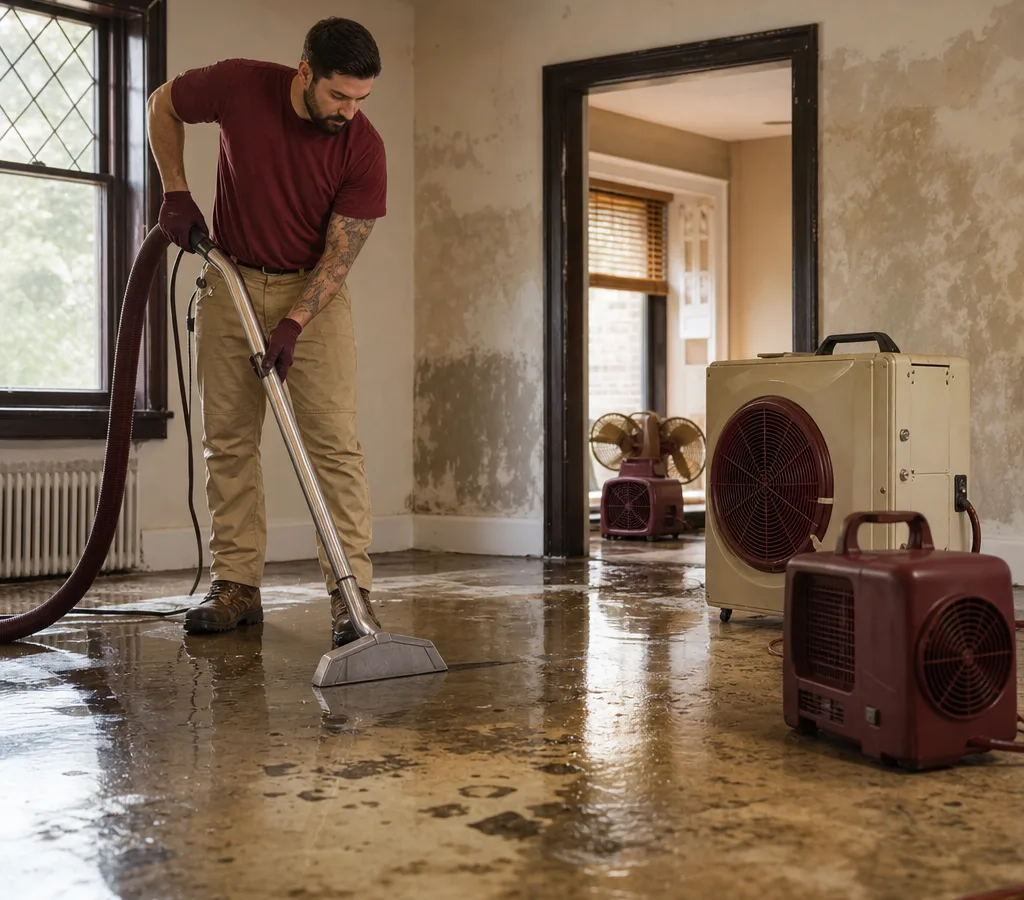
When water gets into a building, the problem is bigger than what you can see. Water moves through flooring seams, baseboards, wall cavities, and insulation, and it can keep feeding odor and mold if the structure doesn't get dried correctly. Water restoration Columbus homeowners ask for usually combines several pieces of work under one plan, based on where the water traveled and what materials are affected.
A local contractor typically starts by identifying the water source—such as a supply line, appliance, roof leak, groundwater seepage, or backed-up drain—and stopping or isolating it. Then the work often moves into:
In Columbus, restoration calls come in after basement seepage, failed sump pumps, washer supply line breaks, water heater leaks, and storm-related intrusion. In older neighborhoods with finished basements, water can get behind paneling or under floating floors, which changes the drying approach.
If your situation is tied to visible growth or odor after a wet event, Mold Removal Columbus Ohio can also help you get connected for mold removal as part of a restoration plan when that is what the contractor recommends.
Explain where the water came from, what rooms are affected, and what you've already done. We use that to connect you with a contractor who handles this type of job.
Some contractors focus on drying and cleanup, while others also handle selective demolition and rebuild coordination. The goal is to connect you with someone aligned with your scope.
Columbus homes often have basements and mixed materials, including old plaster, newer drywall, floating floors, and finished lower levels. That affects drying and removal decisions.
You speak directly with the contractor we connect you with, ask questions, and decide whether the plan fits before any work moves forward.
A restoration plan clarifies what gets dried, what gets removed, and what needs monitoring so you're not guessing what “done” means.
From initial triage through drying and cleanup, each step helps define what can be saved and what needs attention.
The contractor looks for active leaks, electrical risks, and affected materials. You may be asked when the water started, whether it was clean or dirty water, and which rooms or levels were involved.
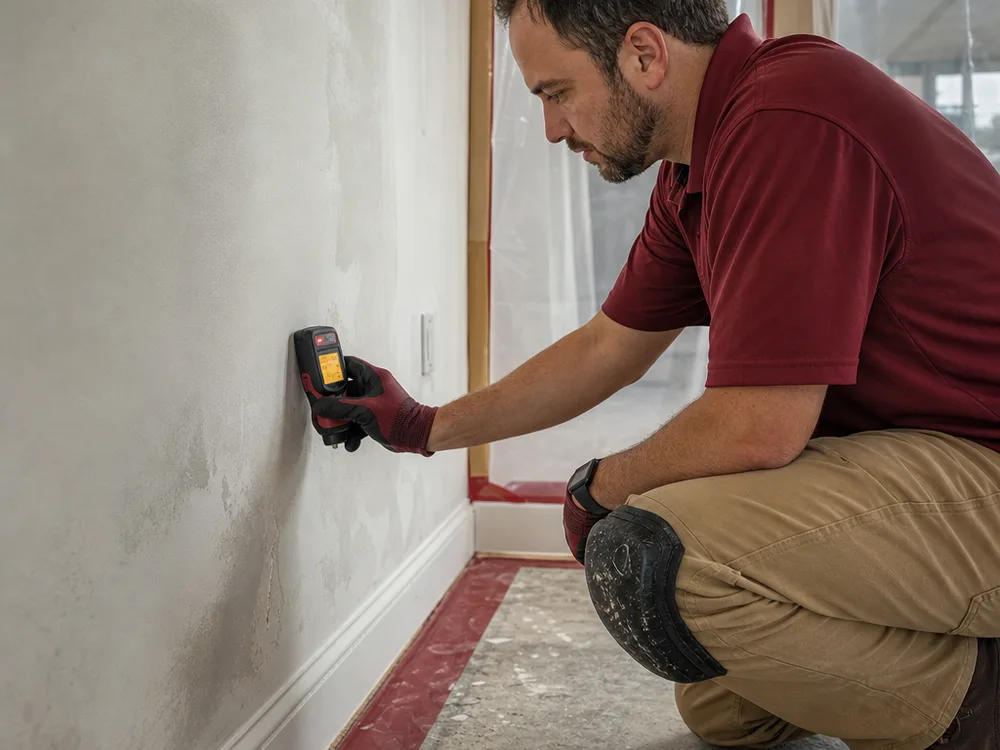
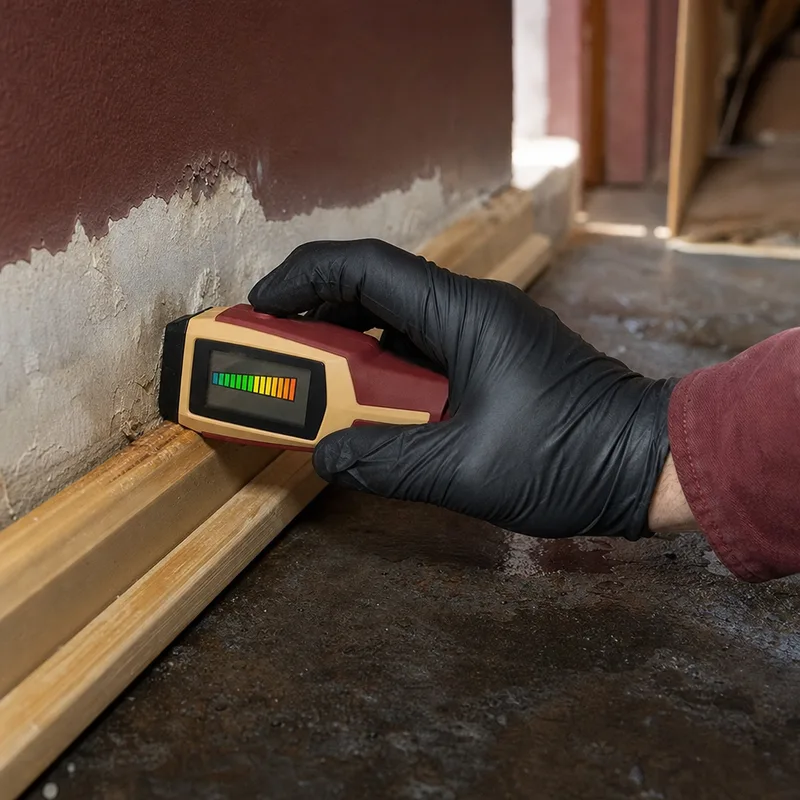
Expect moisture readings at floors, baseboards, and lower wall sections. This shows the wet footprint so drying is aimed at the structure, not just the visible puddle.
Standing water is removed first. If materials are saturated or contaminated, selective removal of carpet pad, drywall, or insulation may be recommended to avoid trapping moisture.
Air movers and dehumidifiers are positioned to dry cavities and subfloors. Monitoring matters because the setup may change as moisture readings change.
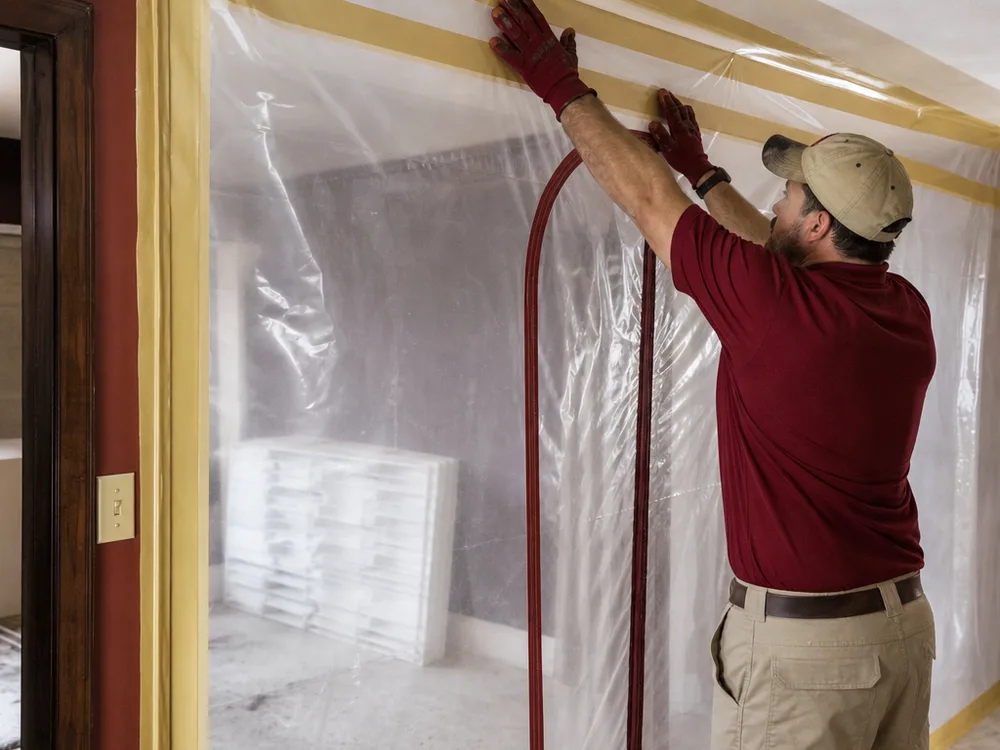
Surfaces are cleaned and affected contents are addressed. If mold is present, containment and targeted removal may be part of the plan before repairs or finish work resumes.
If you're dealing with wet floors, damp walls, or a musty smell after a flood or leak, a phone call is the simplest way to get connected with a Columbus-area contractor who can assess the scope and explain the next steps.
CALL NOW: 380-233-4315Moisture mapping, controlled work zones, and a dry structure help prepare the property for repair or replacement work.
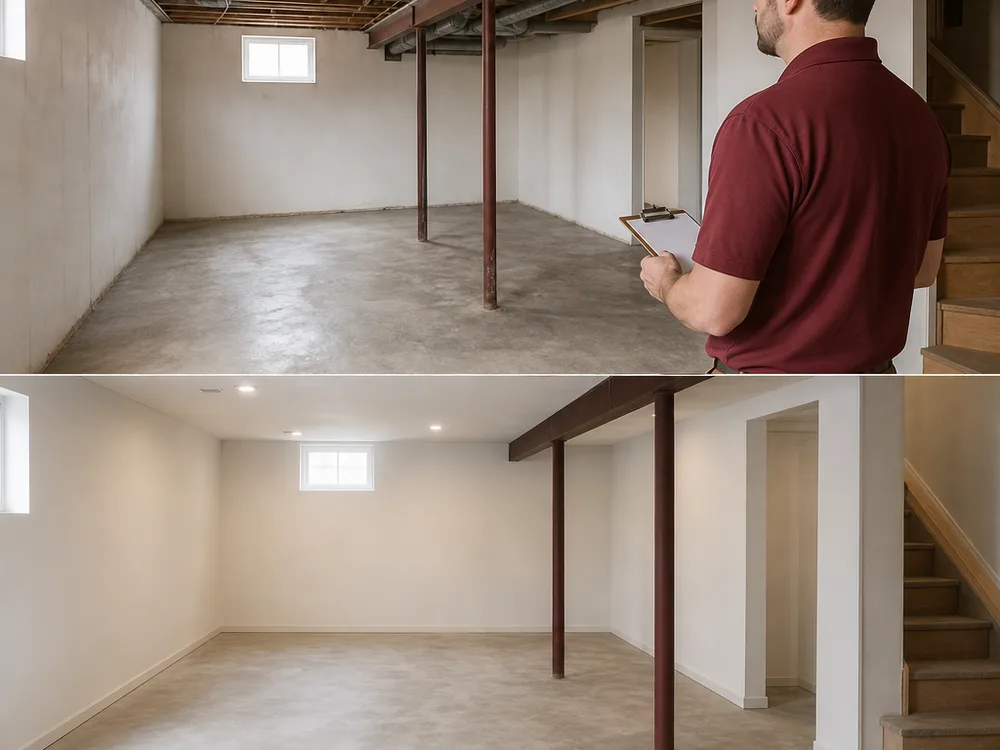
Be ready to describe the water source, how long materials have been wet, and what areas are affected. Helpful details include whether the water was from a clean supply line or a drain backup, whether you turned off the water, the flooring type, and whether walls or ceilings are stained, bubbling, or soft.
The decision is based on moisture readings, material type, and whether water entered cavities where air cannot circulate. Drywall wet at the bottom edge may be cut to allow airflow, while carpet pad, swollen baseboards, or wet insulation may be removed so the structure can dry correctly.
A musty smell after a wet event often means moisture remained in hidden areas such as wall cavities, under flooring, or inside insulation. The contractor may begin with moisture mapping and drying strategy, then recommend cleaning or targeted removal if growth is found.
Contaminated water changes how cleanup is handled because porous materials can hold contaminants. A contractor may recommend more aggressive removal of affected porous finishes and cleaning remaining structural surfaces before drying is considered complete.
It depends on the affected areas and whether containment and demolition are needed. Many projects allow occupants to remain in unaffected areas, but you should discuss drying-equipment noise, pets, household logistics, and airflow paths with the contractor.
You describe what happened on the phone, and we connect you with an independent local contractor who handles water restoration work in the Columbus area. You talk directly with that contractor about drying, cleanup, and any needed removal, then decide how to proceed.
Tell us what you're seeing and what caused the water, and we'll connect you with a local Columbus-area contractor who can walk you through restoration steps for your home or business.
For how inspection, containment and cleanup run across the whole service, see the Columbus Mold Removal overview.