✓
One description, then a contractor call
You explain the location, what you've noticed, and any recent water issues once. The contractor you're connected with can ask follow-up questions that affect scope.
Serving Columbus, Ohio & surrounding areas
Calls answered around the clock
Describe what you're seeing once and we'll connect you with a local contractor who handles containment, cleanup, and moisture control.
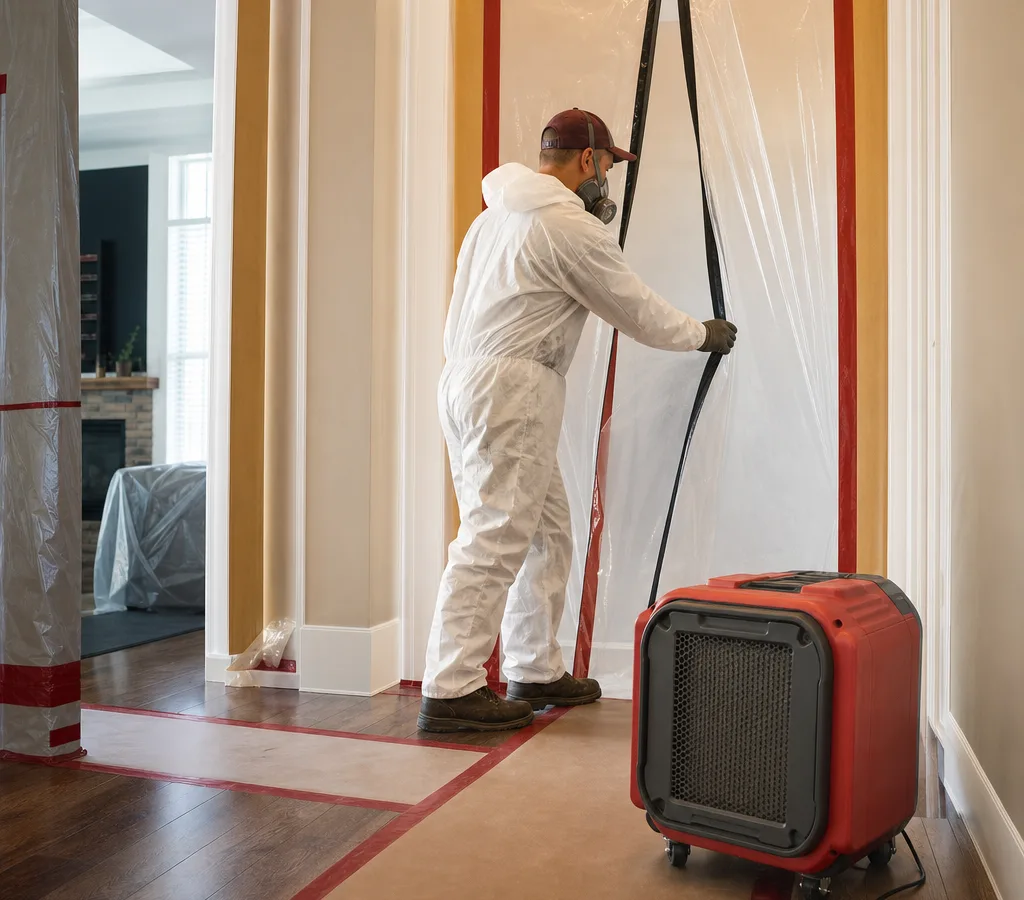
If you're searching for black mold removal Columbus Ohio, you're usually dealing with two problems at once: the visible growth and the moisture that keeps feeding it. A proper mold remediation plan focuses on both.
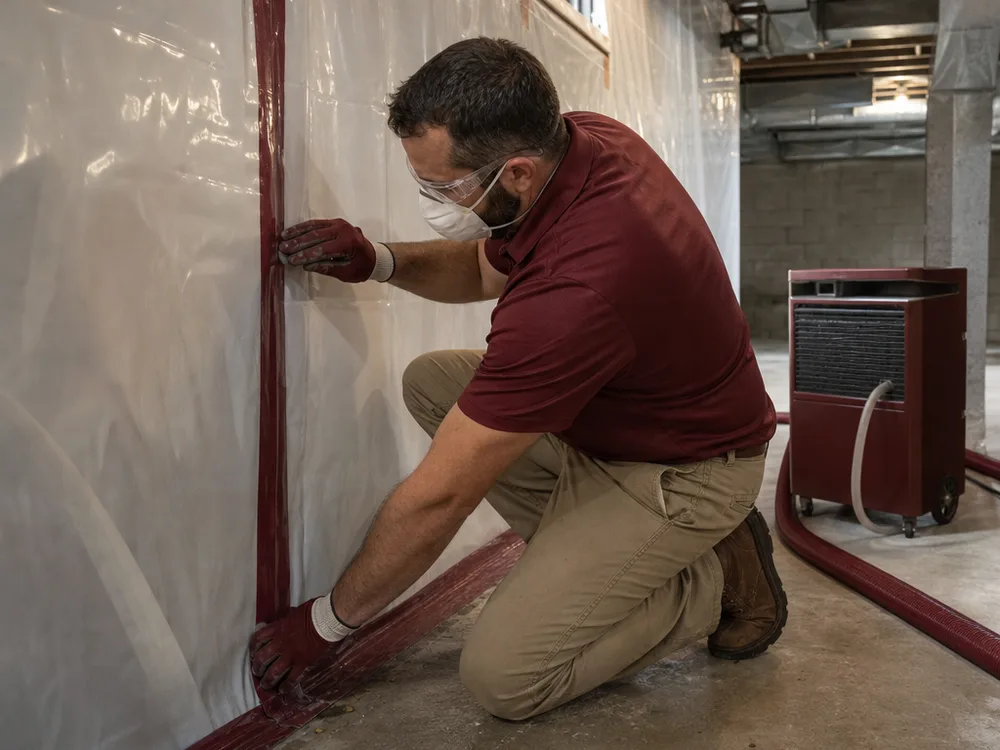
Containment: Poly sheeting is taped and sealed to create a work zone. For larger or more sensitive situations, contractors may set up negative pressure so air flows into the contained area, not out.
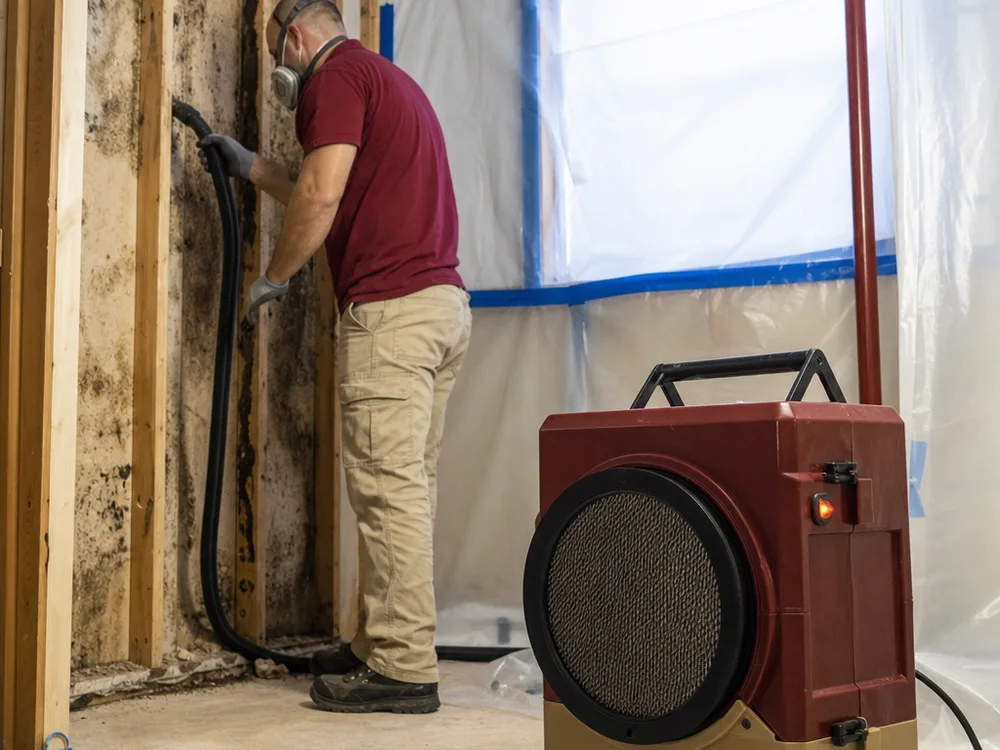
Air filtration: A HEPA-filtered air scrubber helps capture airborne particles during demolition and cleaning.
Remove unsalvageable materials: Porous materials that are colonized, commonly drywall, insulation, carpet pad, and some ceiling tiles, are usually removed and bagged for disposal. Non-porous surfaces may be cleaned.
Clean and detail: Scrubbing, HEPA vacuuming, and wipe-downs are done on framing, sheathing, concrete, and other remaining surfaces inside the containment.
Drying and moisture control: Dehumidifiers and controlled drying may be used, but the real fix is stopping the water entry or condensation that started it.
In Columbus, mold calls often start after basement dampness or a slow plumbing leak gets missed for a while. Neighborhoods with more below-grade space, like parts of Clintonville and Beechwold, tend to see recurring moisture concerns, and older housing stock in areas like Olde Towne East can hide leaks behind lath-and-plaster walls or older window details.
Mold Removal Columbus Ohio is a referral service. You call, describe what you're seeing and where it is, and we connect you with an independent local contractor who can look at the situation and explain the next steps directly. The same call can cover both the immediate cleanup and what needs to change so it doesn't come back.
You explain the location, what you've noticed, and any recent water issues once. The contractor you're connected with can ask follow-up questions that affect scope.
Real remediation is about controlling spread during removal and cleaning, especially when drywall or insulation has to come out.
Contractors typically focus on how water is getting in or building up—through leaks, humidity, or condensation—so the cleanup has a lasting result.
A good plan separates remediation from rebuild work. Some crews handle both; others stop at a clean, dry, ready-to-repair condition.
In many homes the contractor can isolate a basement room, bathroom, or small section of a wall so you're not displaced from the whole property.
One conversation starts the referral, then you discuss the affected area and potential scope directly with the contractor.
Share where the growth is—basement wall, bathroom ceiling, around a window, or inside a closet—how large the area is, and whether there was a leak, flood, or plumbing issue.
We connect you with an independent contractor who handles mold cleanup and remediation in the Columbus area.
The contractor can explain what would be contained, what materials may need removal, and what has to change to keep moisture under control.
You choose whether to schedule the work and on what terms, based on the plan and details you get from the contractor.
If you suspect a moisture problem is feeding mold, a short phone call is the easiest way to describe the situation and get connected with a local contractor who deals with this work.
CALL NOW: 380-233-4315The work changes with the affected material and moisture source, but containment, controlled cleaning, drying, and preparation for repairs often appear in the plan.
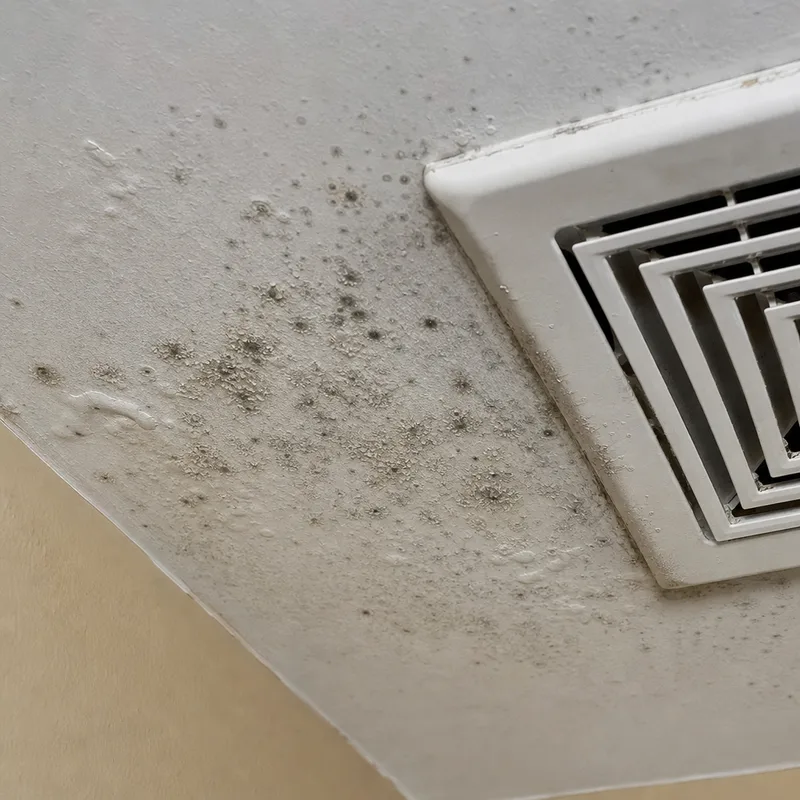
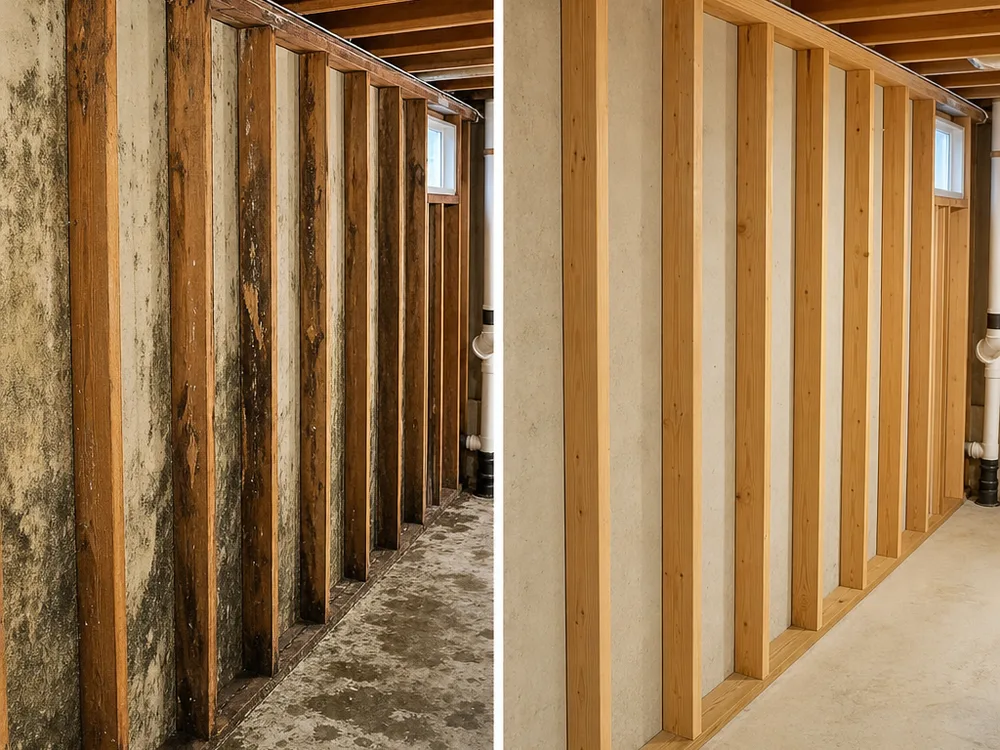
If mold is on or behind porous materials like drywall, insulation, carpet padding, or ceiling tiles, remediation usually involves removal and containment rather than simple cleaning. A contractor will ask where the growth is, how long moisture was present, and whether the area is limited to a surface or likely inside a wall cavity or under flooring.
The most helpful details are the location, approximate size, any recent water event, and whether the area is still damp. If you know the building type and age, that also helps, since older homes around places like German Village and Victorian Village can have plaster walls and older window assemblies that affect access and drying strategy.
Mold on the face of a painted wall might be cleanable, but mold that has colonized drywall paper, insulation, or the underside of flooring often requires removing those materials. The contractor typically explains what gets removed, how the work area is contained, and what the rebuild step would involve after remediation.
Containment is a sealed work zone built with poly sheeting and tape to limit cross-contamination while materials are disturbed and removed. It matters because demolition and aggressive cleaning can put spores and dust into the air, and a contained area with HEPA filtration helps keep the rest of the home cleaner during the work.
Many situations can be scoped based on a visual assessment and moisture investigation because the remediation steps are driven by where growth is and what materials are affected. Testing can be useful when the source is unclear, symptoms do not match what is visible, or you need baseline documentation; the contractor can explain whether it changes the plan.
If work is near returns, supply registers, or an air handler, contractors often take steps to limit spread through air movement. That can include isolating vents in the work zone and using filtration; any HVAC-specific cleaning is a separate scope to discuss once the contractor understands where the mold is and whether the system is implicated.
Basements and crawlspaces often have concrete or masonry, exposed framing, and higher humidity, so contractors focus heavily on drying and moisture control after cleaning. In areas near the Scioto and Olentangy river corridors, humidity and seasonal dampness can make dehumidification and drainage discussions part of the plan, especially if the problem has been recurring.
Preventing recurrence usually comes down to controlling moisture: fix leaks, manage indoor humidity, improve ventilation in baths and laundry areas, and address basement water entry or condensation. The contractor can point out what they believe is feeding the growth and what changes are worth making alongside the cleanup.
Describe the affected area and any recent water issues once, and we'll connect you with a local Columbus-area contractor who can take it from there.
For how inspection, containment and cleanup run across the whole service, see the Columbus Mold Removal overview.