✓
Describe the situation once
You explain where the mold is, what triggered it, and what areas are affected, then you're connected with a local contractor who handles mold remediation.
Serving Columbus, Ohio & surrounding areas
Calls answered around the clock
Describe what you're seeing once and we'll connect you with a local contractor who handles containment, removal, and cleanup for residential and commercial spaces.
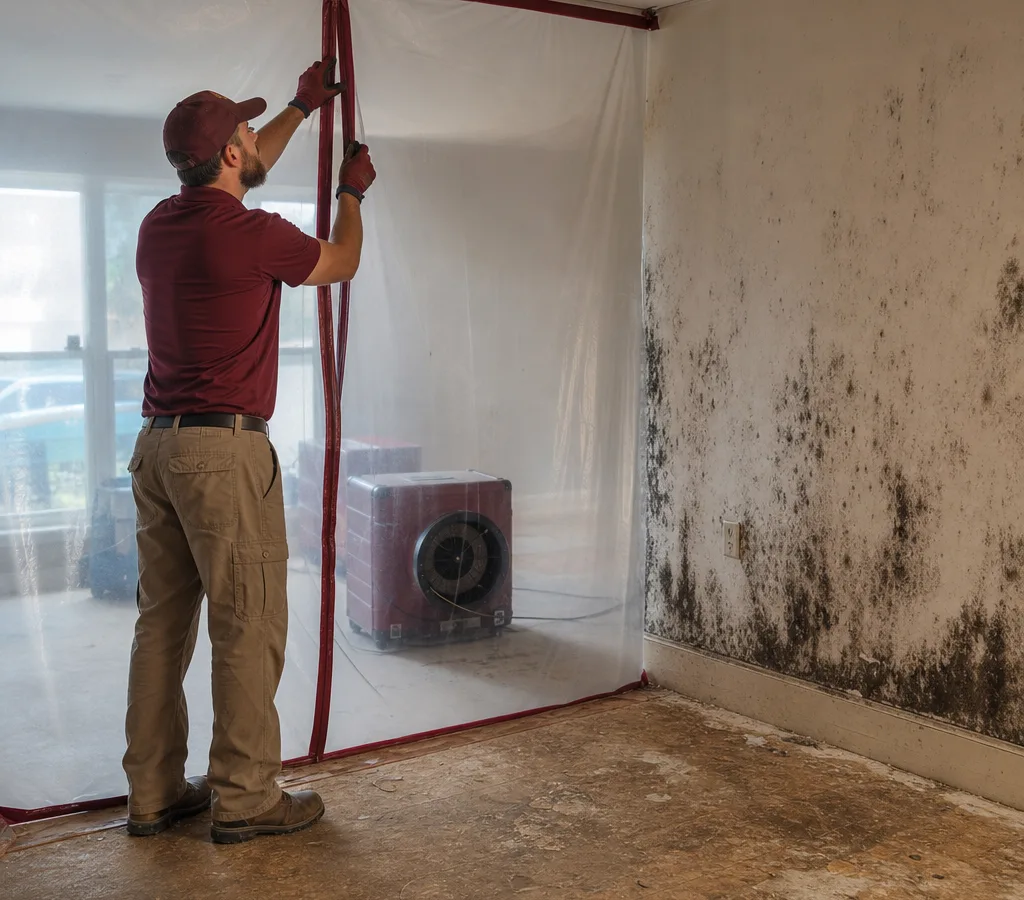
If you're searching for mold remediation Columbus Ohio, you're usually dealing with two problems at once: the mold you can see (or smell) and the moisture that keeps feeding it. A proper remediation job focuses on both.
A contractor typically starts by identifying the affected materials and the likely moisture source—a roof leak, plumbing leak, damp basement, or humidity and condensation. From there, the work is organized to keep spores from spreading:
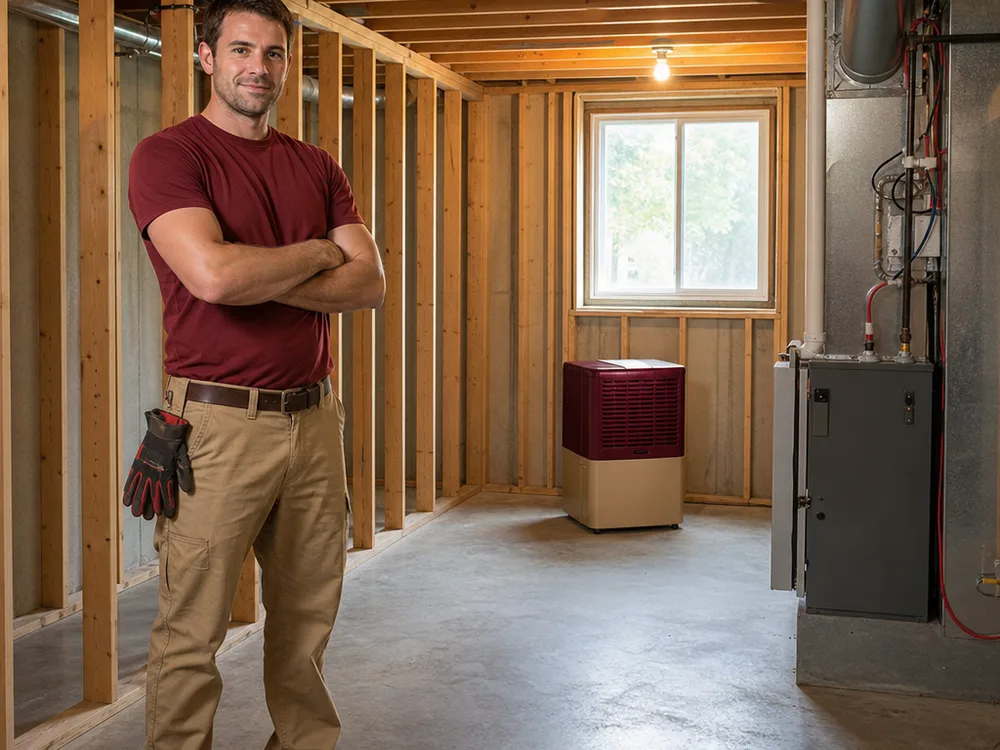
Columbus has plenty of older housing stock and a lot of basements. Both can contribute to repeat moisture issues: older masonry, small foundation cracks, and humid summer air moving into cooler basements can drive condensation. A local contractor can explain what they're seeing in your specific structure and what needs to change so the remediation work holds up.
If you're not sure whether you need removal or a smaller cleanup, talking it through on the phone helps. Share what you've noticed—smell, staining, a recent leak, or basement dampness—and we'll connect you with a contractor who can take it from there. Mold removal is often part of the process, but remediation is the broader plan to control spread and address conditions that allow growth.
You explain where the mold is, what triggered it, and what areas are affected, then you're connected with a local contractor who handles mold remediation.
Columbus properties vary from older neighborhoods with basements to newer builds with finished lower levels, and the approach changes with the materials and access.
Mold work is different from general demolition. The contractor you speak with can walk you through how containment, filtration, and cleaning fit together.
You talk directly with the contractor about scope, timing, and what needs to be removed or saved, then decide whether to proceed.
We focus the call on what a contractor needs to know: size and location, recent water events, who occupies the space, and access to the area.
One conversation starts the referral, then you discuss the property and potential scope directly with the contractor.
Share the location—basement, bathroom, attic, or behind a cabinet—what you noticed, and whether there was a recent leak or flooding.
We connect you with an independent contractor who handles mold remediation Columbus OH homeowners and property managers commonly need, including containment and cleanup.
The contractor will ask about the affected materials, ventilation, HVAC returns nearby, and whether the area can be isolated for containment.
You'll hear what is likely to be removed, what can be cleaned, and what moisture issue needs to be corrected so the problem doesn't return.
If you're dealing with staining, a musty odor, or a damp area that won't dry out, a short phone call can clarify what kind of mold remediation is appropriate and connect you with a contractor who does this work.
CALL NOW: 380-233-4315Containment, controlled removal, filtration, and detailed cleanup work together to prepare the affected area for drying and rebuilding.
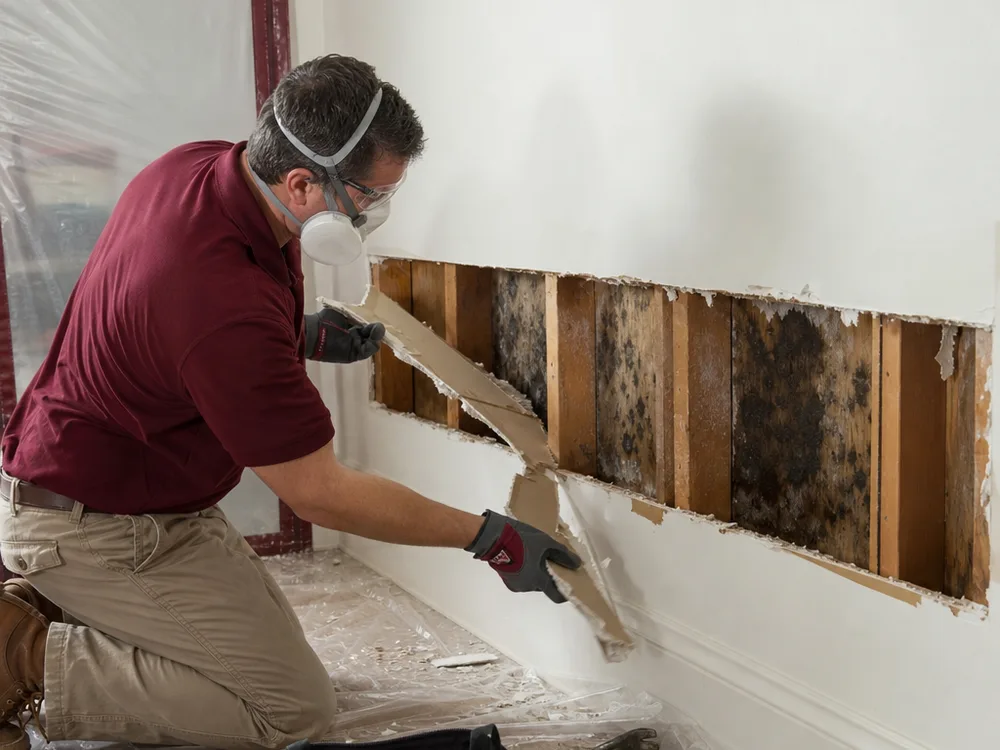
Remediation is usually appropriate when mold involves porous materials such as drywall, insulation, or carpet pad, keeps returning, or follows a water event that affected hidden spaces. A contractor will ask where the growth is, how large the area is, and whether there's a moisture source like a leak, basement dampness, or condensation problems.
Have the location and a simple description ready: which rooms, what materials are involved, and what you noticed first. Helpful details include recent plumbing or roof leaks, whether a basement has standing-water history, whether the HVAC runs through the area, and whether anyone in the home has sensitivities that affect how you want the job staged.
If there's evidence the problem is inside cavities or behind finishes, opening a small section is a common way to confirm the extent and remove contaminated materials. In Columbus basements and bathrooms, moisture often travels along framing or behind baseboards, so the visible spot may be smaller than the affected area.
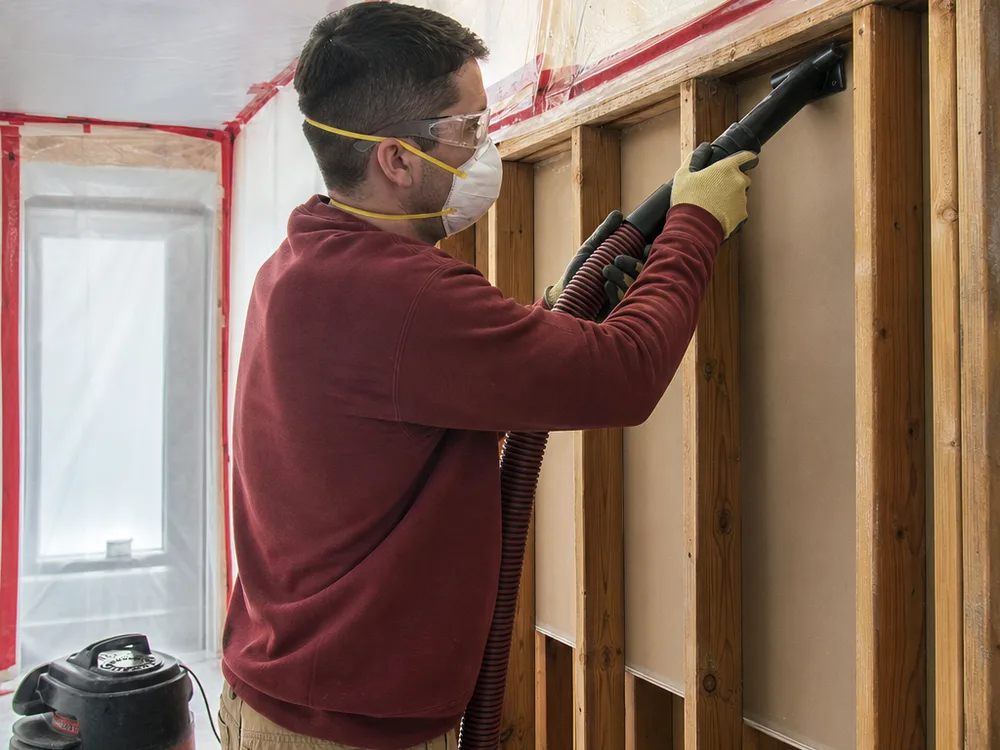
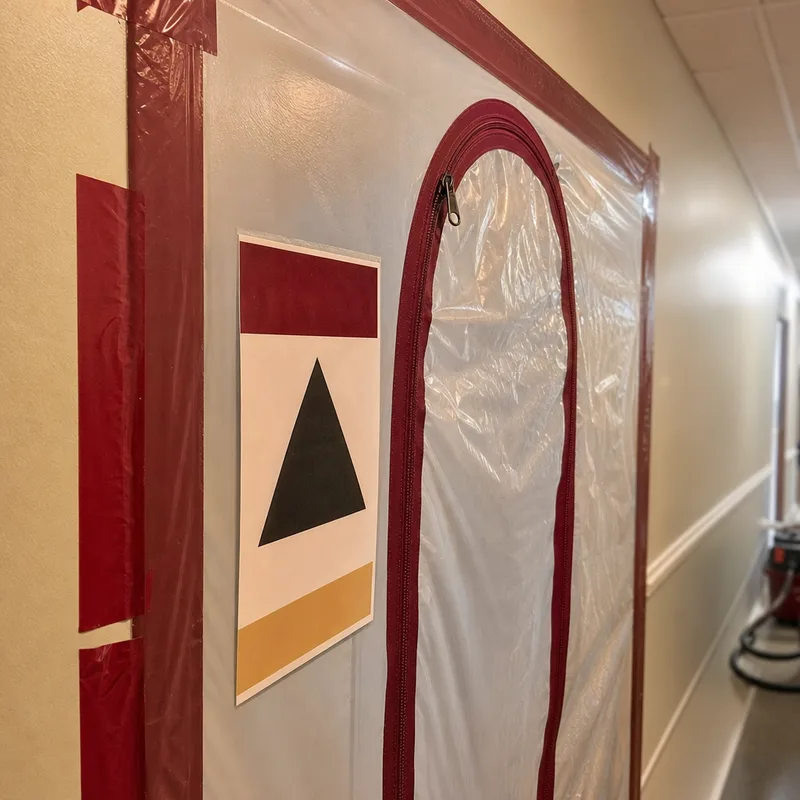
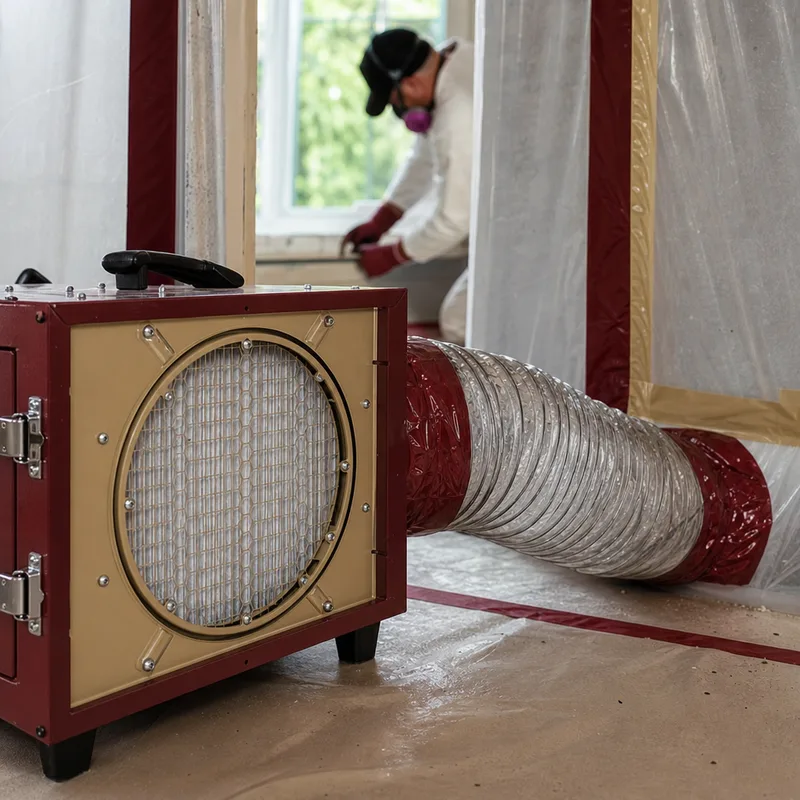
Containment isolates the work area so spores and dust stirred up during removal don't spread to clean parts of the building. Contractors often use plastic barriers, sealed seams, and controlled airflow, then clean the work zone with HEPA filtration and detailed wiping before the area is opened back up.
Air movement can carry dust and spores, especially if returns or supply registers are near the affected area. A contractor may recommend shutting down airflow to the work zone, protecting registers, and keeping filtration running inside containment while removal and cleanup are happening.
After cleanup and drying, the next step is correcting the moisture driver and rebuilding the removed finishes. The contractor can explain what should be repaired—for example, a leak, poor bathroom ventilation, or basement humidity control—and what to watch for as the space is put back together.
Testing is situational and depends on how you plan to use the space and what decisions you're trying to make. The contractor you speak with can explain when sampling is helpful, when it isn't, and what other signs—materials affected, moisture conditions, and hidden cavities—drive the remediation scope.
You call Mold Removal Columbus Ohio and describe the situation once, and we connect you with a local contractor who handles mold remediation. You discuss the job directly with the contractor, get their recommendations, and decide whether to move forward.
If you're seeing growth, smelling mustiness, or dealing with recurring moisture, describe what's happening once and we'll connect you with a local contractor for mold remediation in Columbus who can evaluate the scope and explain the next steps.
For how inspection, containment and cleanup run across the whole service, see the Columbus Mold Removal overview.