✓
One description, one connection
Explain what you're seeing and smelling once, and we connect you with a local contractor who handles mold testing and inspection.
Serving Columbus, Ohio & surrounding areas
Calls answered around the clock
Describe what you're noticing once and get connected with a local contractor who handles indoor mold testing and inspection in the Columbus area.
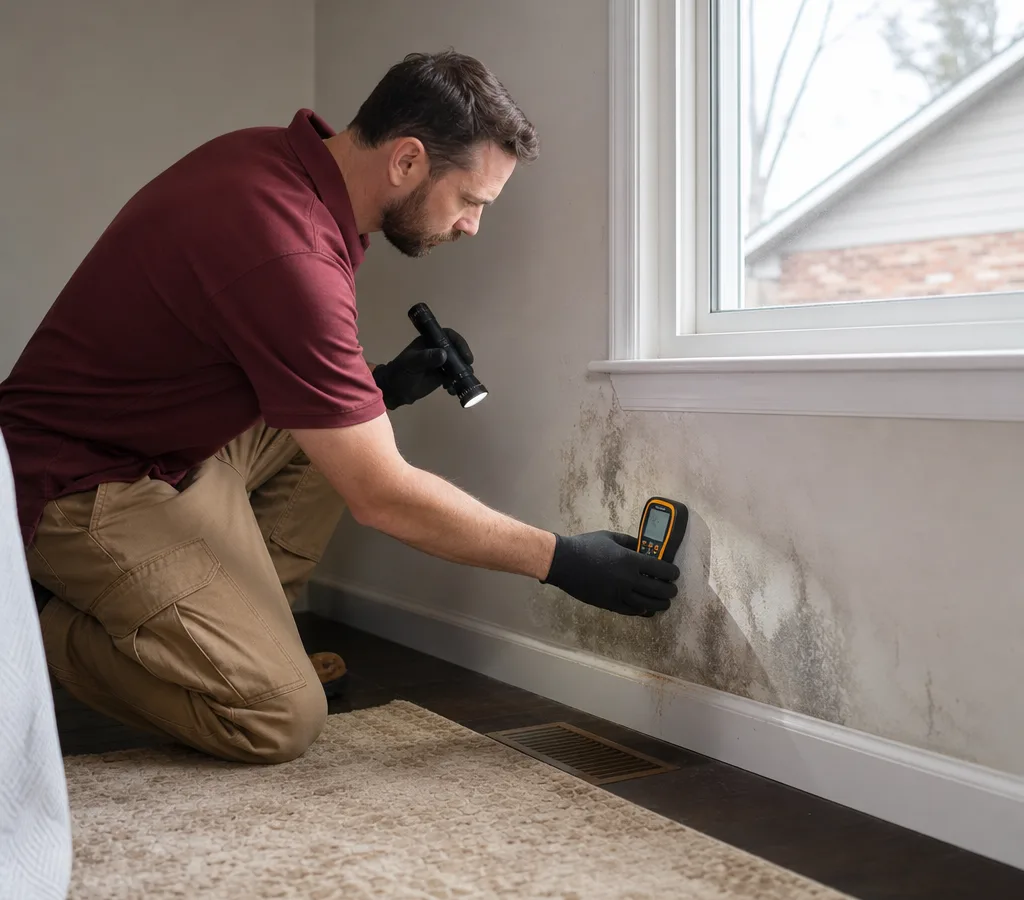
If you're searching for mold testing Columbus Ohio, you usually want a clear answer to two questions: is it mold, and what should happen next. Mold testing is a set of inspection and sampling methods used to confirm the presence of mold, identify likely sources of moisture, and document conditions so a remediation plan can be built.
A good mold inspection starts with the building, not the lab. The contractor typically looks for visible growth, water staining, condensation points, musty odor, and ventilation or drainage issues that keep materials damp. Moisture measurements often guide where to sample. Sampling without finding the moisture problem can create a report that doesn't explain why the issue keeps coming back.
Mold testing also has limits. Air samples can vary based on weather, HVAC operation, open windows, and how recently a room was cleaned or disturbed. Surface samples can confirm what's growing on a specific material, but they don't automatically tell you how widespread the problem is behind a wall or under a floor. The most useful result is a report that ties observations, moisture findings, and any lab results into practical next steps.
If what you really need is active cleanup, you may be looking for mold removal rather than testing alone. Many homeowners start with testing when they want documentation, want to confirm the scope before disturbing materials, or need a baseline to plan repairs.
Explain what you're seeing and smelling once, and we connect you with a local contractor who handles mold testing and inspection.
Columbus has a mix of older masonry homes, finished basements, and newer tight-building construction. Each can drive moisture and ventilation issues in different ways.
The goal is usable information: where moisture is coming from, what materials are affected, and what questions to ask before any demolition or cleaning.
You speak directly with the contractor about findings, options, and what documentation you may want for property managers, tenants, or future work.
You decide whether to proceed after you talk through the scope with the contractor who takes the job.
The appointment moves from your initial concerns to building observations, targeted sampling when useful, and practical next-step recommendations.
We'll ask what prompted the concern (odor, visible spotting, water event, health sensitivities), which rooms are involved, and whether there's a basement, crawlspace, or recent leak.
The contractor looks for staining, damaged finishes, condensation patterns, and HVAC or ventilation issues. Moisture meters and visual access points help narrow down likely sources.
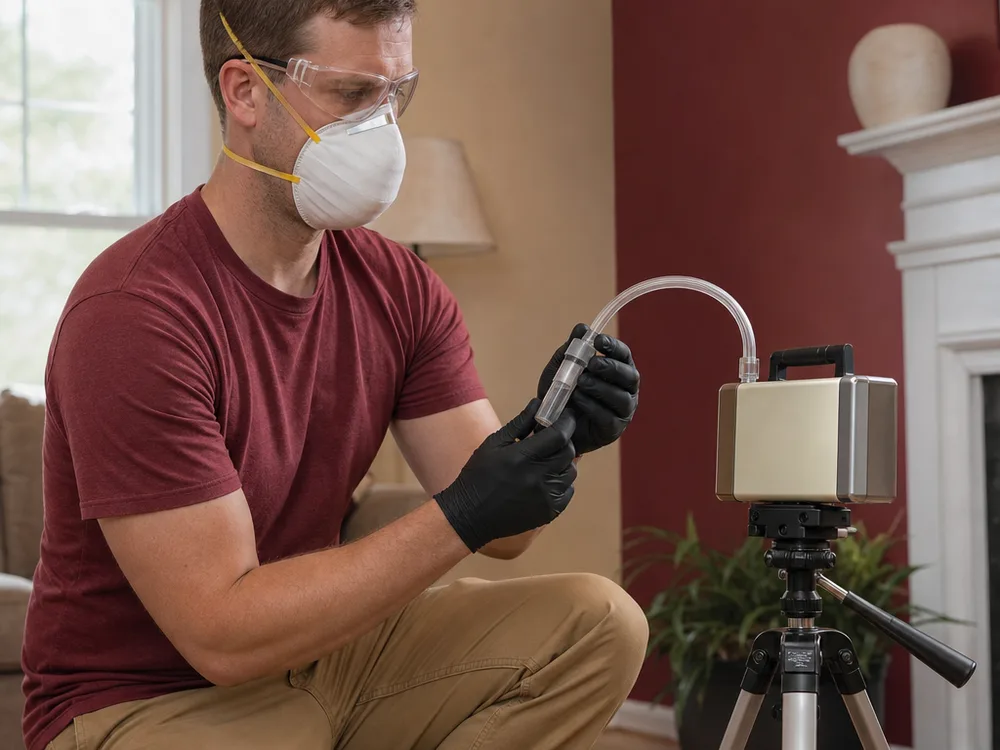
Depending on what's found, the contractor may recommend air samples, surface samples (tape lift or swab), or bulk samples of a suspect material. Not every situation needs every sample type.
When lab analysis is used, results are interpreted alongside building conditions. The contractor explains what the results mean in plain language and what they do not prove by themselves.
You'll typically get a summary of observations, moisture findings, any sample locations, and practical next steps. If remediation is needed, the contractor can explain scope considerations and containment basics.
If you suspect mold, don't spend your day calling around. Describe the situation once and get connected with a local Columbus-area contractor who can inspect, test when appropriate, and explain your options.
CALL NOW: 380-233-4315Moisture readings, targeted samples, and building observations work together to explain conditions and support the next decision.
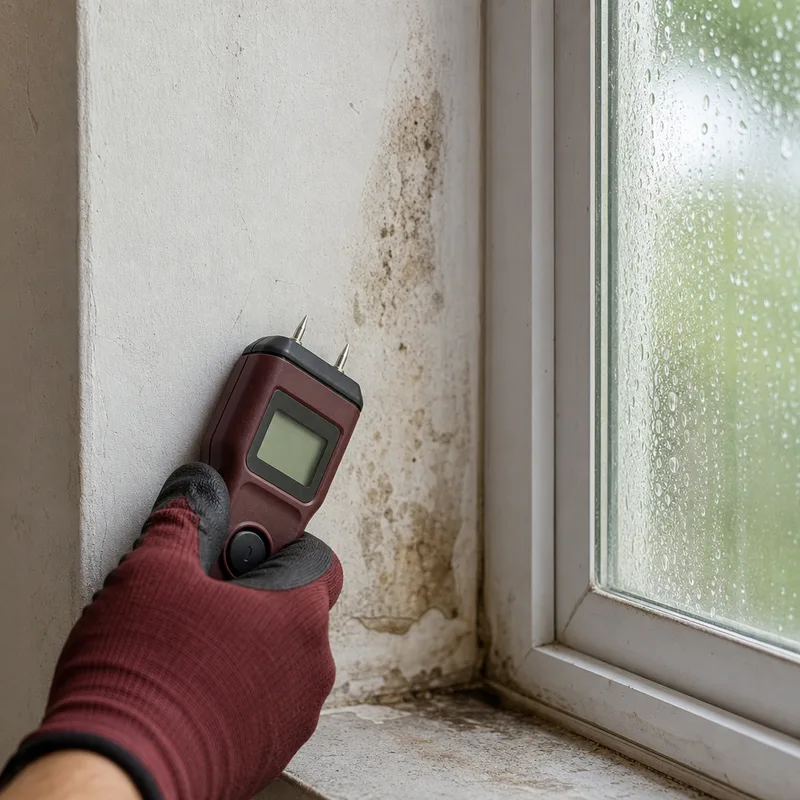
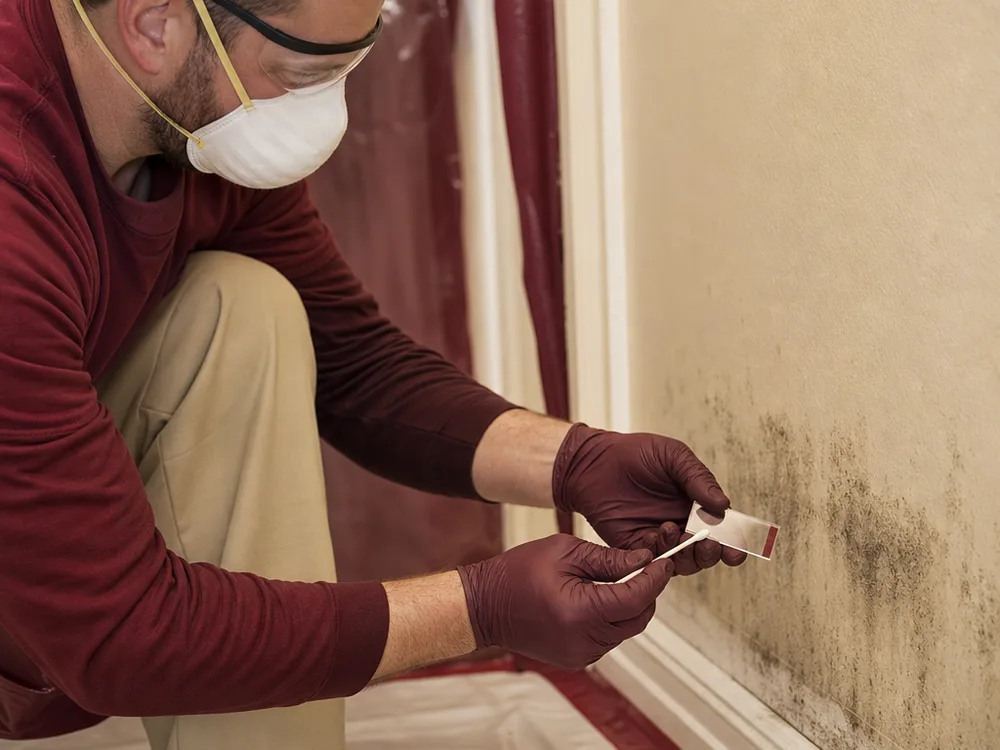
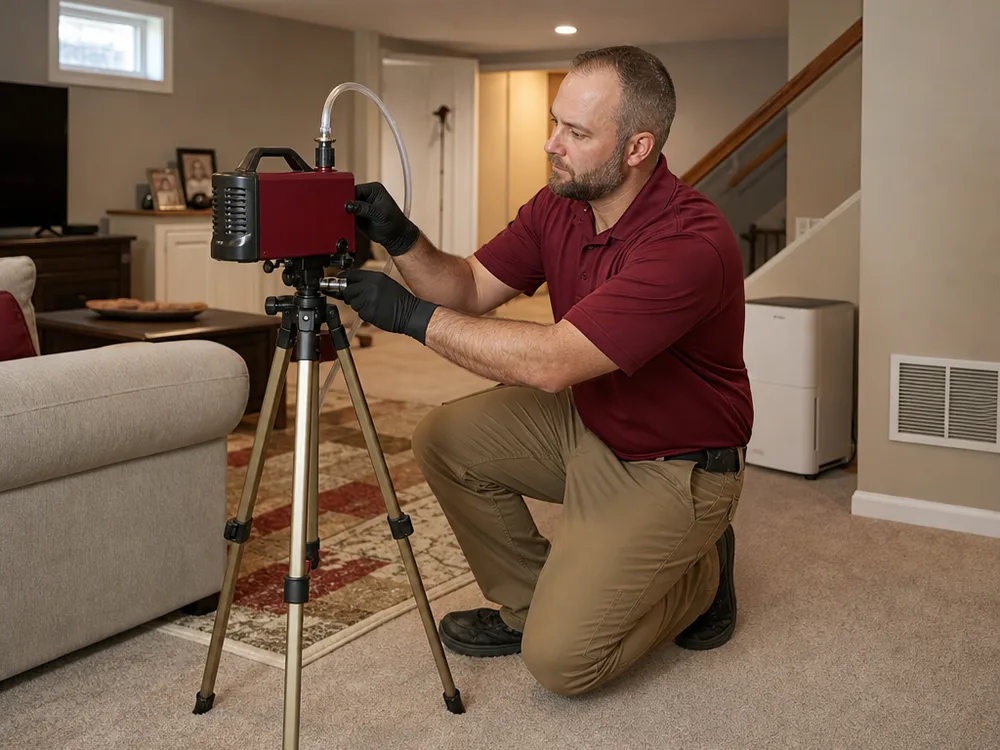
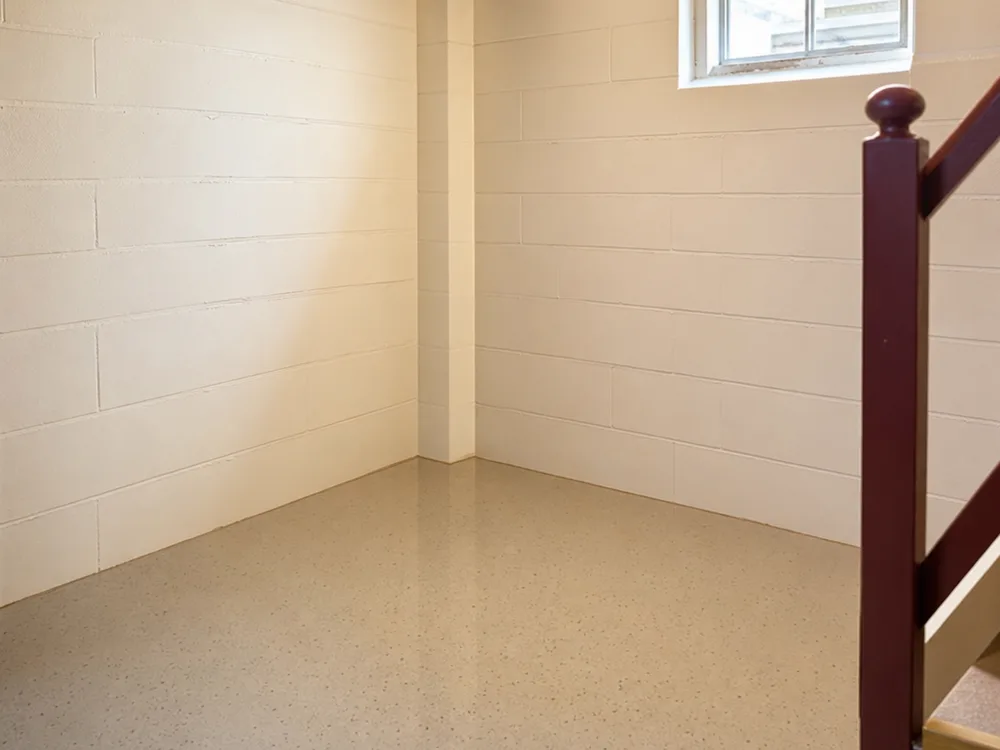
Mold testing makes the most sense when you need documentation, when the affected area is unclear, or when you want guidance before disturbing materials. If there is a known leak or condensation problem, fixing that moisture source is still the priority because mold comes back when materials stay damp.
A contractor may use air samples, surface samples (tape lift or swab), or a bulk sample of a suspect material, depending on what's visible and accessible. Air sampling is sensitive to conditions like HVAC operation and open windows, so it's usually paired with a careful visual inspection and moisture measurements.
Yes, those areas are commonly checked because they can drive humidity and musty odors throughout the home. In Columbus, basement conditions matter in many homes, especially where downspouts, grading, or sump systems affect how water moves around the foundation.
Make a short list of what you've noticed (where, when, and after what event), and keep access clear to the areas of concern, HVAC equipment, and any recent repair locations. If you have photos from an earlier water event or staining that has since been painted over, those details help the contractor understand the timeline.
Testing can suggest a problem area, but hidden growth is usually confirmed by inspection strategy, moisture readings, and selective access, not by air sampling alone. If a contractor suspects moisture inside a cavity, they may discuss noninvasive checks first and then controlled access options if needed.
Lab results are typically used to document what was found and support scope decisions alongside what the contractor sees in the building. If remediation is needed, the contractor can explain containment considerations, which materials usually require removal, and which can sometimes be cleaned, depending on condition and porosity.
Some homeowners choose post-remediation verification to document that conditions are back to normal for the space. Whether it's appropriate depends on the situation, the areas involved, and what was done, so it's worth discussing with the contractor handling the inspection.
Mold Removal Columbus Ohio connects you by phone with an independent local contractor who handles mold inspection and testing. You describe the concern once, then speak directly with the contractor about what they recommend and whether you want to move forward.
Call and describe the rooms involved, any recent water issues, and what you're noticing. We'll connect you with a local contractor who can inspect and, when it adds value, perform mold testing to guide your next step.
For how inspection, containment and cleanup run across the whole service, see the Columbus Mold Removal overview.